Diversified Company BBB Business Review
The Parking Spot Predicament

At 29, having lived long enough to feel like the world should occasionally bend to my will, I found myself in a situation that tested that belief. It all began in the most mundane of places: a crowded parking lot on a Saturday afternoon.


I had circled the lot for what felt like hours (probably closer to 10 minutes), searching for a spot. Just as I was about to give up hope, I spotted it—a perfect, prime parking space, right near the entrance. But, as luck would have it, another car was also eyeing that same spot from the opposite direction.

Now, any sensible person might have conceded, acknowledging the unspoken rules of parking lot etiquette. But at 29, I decided that this was my moment, a battle of wills that I simply couldn’t lose. After all, hadn’t I earned the right to that spot through sheer perseverance?

I edged my car forward, inch by inch, determined to claim the space. The other driver hesitated, and I took that as a sign of victory. With a smirk of satisfaction, I swung my car into the spot, ignoring the other driver’s look of disbelief. Victory was mine—at least, for the moment.

As I triumphantly walked toward the store, I felt a twinge of guilt. But it wasn’t enough to dull the sweet taste of victory… until I returned to my car.

In my haste to claim the spot, I hadn’t noticed that it was situated directly under a tree—a tree that happened to be home to a rather large and active group of birds. My once-pristine car was now a canvas of avian abstract art, covered in bird droppings from roof to bumper.

The consequence? A very awkward and messy car wash trip. The lesson learned? At 29, entitlement might win you a parking spot, but it could also leave you with a very dirty car. Next time, I’ll think twice before swooping in for the kill—unless, of course, there’s a bird-free option.

The Sunglasses Fumble

I was 24 years old, fresh out of college, and feeling like I owned the world. I had just landed my first job, a fancy-sounding title at a mid-sized company that made me feel like I was finally “somebody.” The job came with a nice salary, a corner cubicle, and an inflated sense of importance that made me feel like I could do no wrong.

One Friday afternoon, after a particularly successful meeting where I managed to impress the higher-ups with my stellar presentation (read: I remembered to add a couple of memes), I decided it was time to reward myself. So, I did what any 24-year-old with newfound disposable income might do—I went out and bought a ridiculously expensive pair of designer sunglasses. I wasn’t even sure if they looked good on me, but they had a brand name that screamed, “I’ve made it!”

That weekend, I wore those sunglasses everywhere. I wore them indoors, at night, in the shower—I was practically married to them. I even wore them to my cousin’s outdoor barbecue, where I made sure everyone knew exactly how much they cost. I might have even suggested that they were a “necessary investment” for someone of my “professional standing.”

But then, karma—or maybe just my own stupidity—struck. I was at the barbecue, proudly strutting around in my overpriced shades, when I decided to play a little backyard football with my cousins. Now, I should mention that I’m not exactly the most athletic guy around, but I figured, “How hard could it be?” The answer: very hard.

In the heat of the game, I made a daring move, sprinting for the ball like I was Odell Beckham Jr. As I reached out to catch it, I tripped over a rogue sprinkler head. Down I went, face-first, into a mud puddle. The sunglasses flew off my face in what felt like slow motion and landed directly under my cousin’s foot as he tried to avoid crashing into me. Crunch.

There was silence. I sat up, covered in mud, my designer sunglasses shattered into a thousand tiny, overpriced pieces. My cousin looked at me, trying to suppress his laughter, but failing miserably. The entire barbecue erupted in laughter, and I knew, at that moment, I was never going to live this down.

The consequences? Well, besides the fact that I was out a couple hundred bucks, I had to endure weeks—no, months—of jokes about how I had “fumbled” my first big purchase. My family even started calling me “Hollywood” as a nickname, which they still do, by the way.

But what did I learn? I learned that being a little too full of myself could lead to some pretty hilarious—and humbling—moments. And maybe, just maybe, that it’s better to spend money on experiences rather than things that can be easily crushed underfoot. Also, I learned to avoid playing sports in sunglasses.

The Shoes of Entitlement

At 29, I had developed a certain flair for managing life’s little annoyances—at least, that’s what I told myself. One day, I found myself in a situation that tested this self-proclaimed expertise.

It all started when I was out shopping for a new pair of shoes. I had my eye on a particular brand, and after much searching, I finally found the perfect pair. The problem? They were the last ones in my size, and another shopper had her eye on them too.

Now, any rational 29-year-old might have gracefully stepped aside, perhaps even striking up a friendly conversation about shared tastes in footwear. But at that moment, rationality took a backseat to my sense of entitlement. After all, I’d been 29 for nearly a whole year, and if that didn’t entitle me to the last pair of shoes in my size, what did?

So, with a polite smile that barely concealed my determination, I grabbed the shoes and made my way to the cashier. The other shopper, a woman around my age, looked taken aback, but I was too focused on my prize to notice.

As I reached the checkout, I started to feel a twinge of guilt. Maybe it was the way the cashier glanced at me, or perhaps it was the memory of countless shopping trips where I’d been on the losing end of similar situations. But did I turn back? Not a chance. I completed the purchase, shoes in hand, and walked out of the store with a sense of triumph—albeit one tinged with a slight unease.

The universe, however, has a way of keeping things in balance. Later that day, I decided to wear my new shoes out for a walk, proud of my acquisition. But as soon as I stepped outside, it started to rain. Not a light drizzle, mind you, but a full-on downpour. My new shoes, which were perfect for everything except wet weather, quickly became waterlogged and uncomfortable. By the time I got home, they were ruined.

The lesson? At 29, entitlement might get you what you want, but it doesn’t guarantee happiness—or dry feet. And while the consequences were soggy and squishy, they served as a reminder that sometimes, it’s better to share life’s little pleasures—or at least consider the forecast before stepping outside in brand-new shoes.

The Hilarious Lesson I Learned About Entitlement at 26

At 26, I was absolutely convinced I was the shining star in my company’s galaxy—so much so that I thought a raise was not just deserved but practically a legal right. I’d been at this startup for a few months, and in my mind, the whole place would have collapsed without my brilliant contributions. I was practically holding the company together with my sheer presence, or so I thought.

Armed with this delusion, I strutted into my boss’s office, ready to deliver what I was sure would be the most compelling case for a raise in the history of employment. I laid it on thick, talking about how I had single-handedly saved the day on more than one occasion—conveniently glossing over the fact that I was part of a team and not exactly a superhero.

My boss listened patiently, and I was already picturing how I’d spend my extra cash. But instead of the raise I expected, my boss served me a reality check, seasoned with a dash of truth. He calmly pointed out that while my work was good, I wasn’t exactly the cornerstone of the company. Apparently, startups have this funny thing called a budget, and no, they don’t just toss money at anyone who thinks they deserve it.

I walked out of that office, not with a raise, but with a solid bruise on my ego. I had to laugh at myself—turns out, being irreplaceable was all in my head. I learned that day that entitlement is a bit like eating too much cake; it feels great at first, but eventually, you’re left feeling pretty sick.

In the end, I realized that true success isn’t about demanding recognition with an overinflated sense of importance. It’s about being part of the team, contributing without expecting a gold star every time, and maybe, just maybe, not overestimating your place in the universe.

The Networking Event Fiasco: A Tale of Entitlement and Humility

At 28 years old, I considered myself the epitome of success and sophistication. I had a decent job, a comfortable apartment, and a social circle that thought I hung the moon. However, deep down, I always felt I deserved a little more. Not just in life, but from others.

One morning, while scrolling through my emails, I found an invitation to a high-profile networking event. It promised top-tier connections, gourmet food, and an open bar – the works. Naturally, I RSVP’d without a second thought.

The night of the event, I arrived fashionably late, expecting to be the center of attention. I sauntered over to the registration table, only to be greeted by a polite but firm gatekeeper who couldn’t find my name on the list.

“Are you sure?” I asked, my voice tinged with annoyance. “I’m kind of a big deal.”

She smiled sympathetically, but her resolve didn’t waver. “I’m sorry, but without a confirmation, I can’t let you in.”

Undeterred, I decided to try my luck at the bar. I spotted a free seat next to a distinguished-looking gentleman and plopped down, hoping to charm my way into the event.

“Evening,” I said, waving to the bartender. “I’ll have your finest whiskey.”

The bartender glanced at me, then at the gentleman beside me, who raised an eyebrow. “This is a private event, sir,” the bartender said. “Without an invitation, you’ll have to leave.”

I flashed my most dazzling smile. “I don’t think you understand. I belong here.”

The gentleman beside me chuckled. “Kid, you’re either very brave or very foolish. What makes you think you’re entitled to be here?”

Feeling my temper flare, I replied, “Because I deserve it! I work hard, and I’m just as important as anyone else in this room.”

The gentleman sighed and turned to the bartender. “Please get security.”

Before I could protest further, two burly guards appeared. They escorted me out, much to the amusement of the guests inside. Humiliated, I stood outside, fuming.

As I walked home, my irritation began to melt into self-reflection. What made me think I was entitled to special treatment? I realized that just because I believed I deserved more didn’t mean I could demand it without earning it first.

The next day, I approached my work with a renewed sense of humility. Instead of expecting recognition, I focused on doing my best and contributing positively. Slowly but surely, my efforts were noticed, and genuine opportunities began to come my way.

The lesson was clear: entitlement might get a foot in the door, but hard work and humility are what truly open it.

The Unexpected Perks of Overconfidence

At 25, I was known among my friends for my unmatched confidence, often bordering on entitlement. I always expected special treatment, believing the world revolved around my needs and desires.

One sunny afternoon, I walked into a popular café, brimming with self-assurance. The café was crowded, but I confidently strode to the front of the line, ignoring the grumbles and glares from those waiting. With a charming smile, I addressed the barista, “I’ll have a triple-shot caramel macchiato, extra hot, with a dash of cinnamon.”

The barista, a seasoned professional in handling difficult customers, politely asked me to step back in line. “We serve on a first-come, first-served basis here.”

Unfazed, I replied, “Do you know who I am? I have over 10,000 followers on Instagram. A little shout-out could do wonders for your café.”

The barista, suppressing a laugh, nodded and continued serving the next customer. Feeling slighted, I huffed and decided to take a seat, muttering about poor customer service.

Moments later, an older gentleman approached my table. “Young person,” he said, “I couldn’t help but overhear your conversation. Let me share a story from my youth. I once had the same sense of entitlement, thinking the world owed me something. One day, I cut in line at a concert, only to be escorted out by security. It was embarrassing, but it taught me a valuable lesson about respect and humility.”

I listened, somewhat reluctantly, but the story resonated. As the gentleman walked away, I pondered over the incident, realizing the folly in expecting special treatment without earning it.

The following day, I returned to the café, this time waiting patiently in line. When it was my turn, I smiled at the barista and said, “I’ll have a regular coffee, please. And sorry about yesterday.”

The barista smiled back, appreciating the change in attitude. “No problem. It happens.”

From that day forward, I adopted a more humble approach, understanding that respect and kindness go a long way. Friends noticed the change, often teasing me about my ‘entitlement rehab.’ We shared a lot of laughs, but everyone agreed that I had grown for the better.

Lesson Learned:

Entitlement and overconfidence may seem like they open doors, but they often lead to unintended consequences. Respect and humility, on the other hand, foster positive reactions and genuine connections.

The Humbling of a 28-Year-Old: A Tale of Entitlement and Growth

At 28, I had always believed that the world owed me something special. After all, wasn’t I the brightest star in my university class? Didn’t I always manage to charm my way into and out of anything? It seemed only fitting that the universe should reward me with its finest spoils.

It all started one crisp Monday morning. I woke up with a brilliant idea: I’d call my boss and inform him that I deserved a promotion. Not just any promotion, but one that came with a corner office and a substantial raise. After all, I’d been with the company for a whole year and had graced them with my exceptional skills and wit.

With my most confident voice, I dialed my boss’s number. “Good morning, Mr. Thompson,” I began, “I’m calling because I think it’s time we discuss my future here. Given my unparalleled contributions, I believe I deserve a promotion.”

There was a long pause. “Unparalleled contributions?” Mr. Thompson finally replied. “You mean the time you accidentally deleted all the client files because you were playing solitaire? Or the time you showed up three hours late to the annual meeting because you forgot to set your alarm?”

I gulped. Maybe my contributions weren’t as unparalleled as I thought. But I wasn’t going to back down. “Those were minor setbacks,” I insisted. “But my creativity and innovative ideas have surely propelled this company forward.”

Mr. Thompson chuckled. “Alright, let’s meet in my office in an hour.”

Feeling victorious, I strutted into his office exactly an hour later, already imagining myself in my new corner office. Mr. Thompson looked at me with a bemused expression.

“Here’s the deal,” he said, handing me a folder. “You want a promotion? Prove you’re worth it. I’ve given you our most challenging project yet. If you can turn this around and impress our clients, we’ll talk about a promotion.”

Piece of cake, I thought. How hard could it be? But as I opened the folder, I realized I had seriously underestimated the task. It was a mess of financial reports, marketing strategies, and customer complaints that needed to be resolved yesterday.

Determined to prove myself, I dived into the project. Days turned into nights as I worked tirelessly, fueled by a mix of caffeine and sheer stubbornness. I made countless mistakes along the way, like accidentally sending a cat meme to our most serious client instead of the revised budget proposal. But I persevered.

Weeks later, I finally completed the project. Exhausted but proud, I handed it to Mr. Thompson. He reviewed it with a critical eye, then nodded. “Not bad,” he said. “You’ve shown dedication and improvement. But more importantly, you’ve learned that entitlement doesn’t get you anywhere. Hard work and humility do.”

I walked out of his office, a little wiser and a lot more tired. While I didn’t get the immediate promotion I wanted, I did earn something more valuable: respect and a lesson in humility. And hey, at least I didn’t have to play solitaire anymore.

The Coffee Shop Conundrum

At 25, walking into a favorite coffee shop one fine morning felt routine. There was always a belief that regular patronage should come with a few perks, and today seemed like the perfect day to test that belief. The line was short, and with a new barista at the counter, an idea sparked.

Upon reaching the counter, the request came out smoothly, “I’ll have my usual, please. And since I’m here every day, how about a free muffin on the house?”

The barista, clearly new but polite, smiled and said, “I’m sorry, but we can’t give out free items. Would you like to add a muffin to your order?”

That wasn’t the expected response. Instead of backing down, it felt right to push a bit more. “Look, I come here every day. Loyal customers deserve some recognition, right? Just this once.”

The barista, still composed, repeated, “I’m really sorry, but we can’t do that. If you’d like a muffin, it’s $3.50.”

Feeling a mix of entitlement and frustration, the voice raised slightly, drawing attention from others in the shop. “This is outrageous! I’ve been a loyal customer for years, and this is how you treat me? I demand to speak to the manager!”

The manager, having overheard the commotion, approached and asked what the problem was. With a mix of indignation and self-righteousness, the case was explained. The manager listened patiently and reiterated the store’s policy on freebies, explaining they couldn’t make exceptions.

Feeling cornered and embarrassed, there was no choice but to grudgingly pay for both the coffee and the muffin. Taking a seat in a corner, it was hard to avoid the amused glances from other patrons.

Word of the outburst spread quickly among the regulars, and soon enough, the nickname “Muffin Guy” stuck. It followed around for weeks, a constant reminder of the misjudged sense of entitlement. Baristas gave polite but cautious smiles, and some regulars even teasingly asked if there would be any more demands for freebies.

It became clear that entitlement wasn’t a substitute for genuine appreciation and respect. The attempt to leverage regular status for freebies had backfired spectacularly, leaving behind a bruised ego and a reputation that needed rebuilding. From that day on, visits to the coffee shop were approached with a newfound humility, understanding that loyalty should be about mutual respect, not an expectation of special treatment.

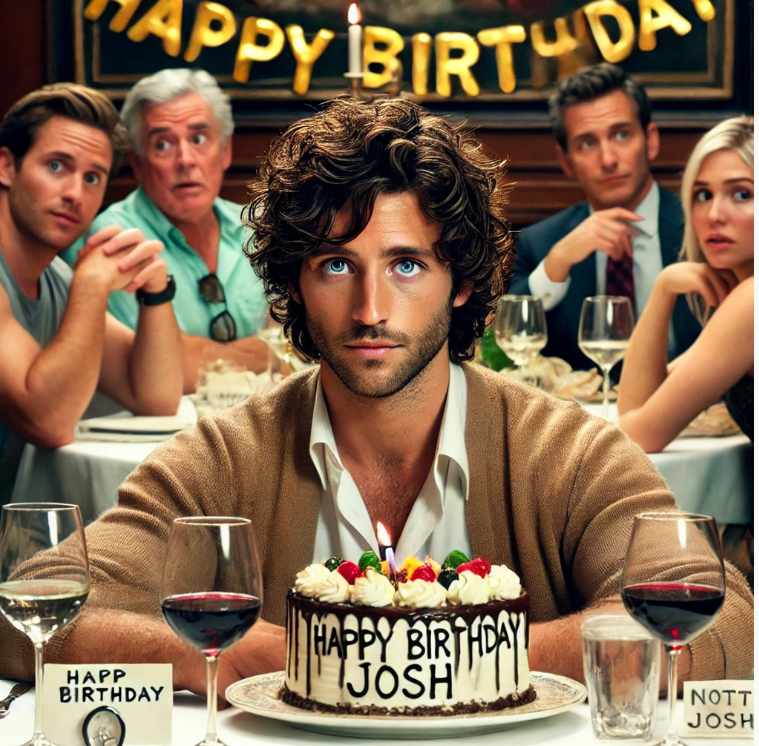
The Entitled Birthday Bash: Age 25

At the age of 25, I was convinced that the world owed me a grand celebration for my quarter-century mark. With visions of a lavish party swirling in my head, I decided to organize the most extravagant birthday bash my small town had ever seen.

The Scenario:

Armed with a list of demands that would make a rock star blush, I rented out the fanciest venue in town, hired a renowned DJ, and ordered the finest catering service. Invitations were sent out to everyone I knew—and a few I didn’t. The theme was “Red Carpet Gala,” and I expected everyone to show up in designer outfits, just like in Hollywood.

On the day of the party, I arrived fashionably late in a rented limousine, expecting a sea of people eagerly awaiting my arrival. However, instead of a crowd of admirers, I was greeted by a few confused friends and an empty dance floor.

The Consequence(s):

As the night went on, it became apparent that my grand expectations were not being met. The DJ played to an almost empty room, the caterers served gourmet food to uninterested guests, and the red carpet lay untouched. The few friends who did attend were uncomfortable with the extravagance, and many left early. To add to the disaster, I was left with a staggering bill that far exceeded my savings, leading to months of financial strain.

The Lesson Learned:

In the aftermath of the not-so-grand party, I learned a valuable lesson about entitlement and expectations. Realizing that true friends and genuine connections were more important than superficial displays of wealth and status, I vowed to approach future celebrations with a more humble and heartfelt attitude.

From then on, my gatherings were smaller, more personal affairs, filled with laughter and genuine joy, rather than empty grandeur. The experience taught me that the best celebrations are about the people, not the pomp, and that humility often brings more happiness than extravagance ever could.

From Entitlement to Enlightenment: A Journey of Growth and Gratitude

I was 13 when I first felt the sting of entitlement. It was my birthday, and I had been eagerly anticipating a new bicycle, something I had been dropping hints about for months. When the day arrived, I ran downstairs to the sight of a pile of presents, my heart pounding with excitement. I tore through the wrapping paper, expecting to see the gleaming metal frame and shiny new tires of the bike I had dreamed about. But instead, I found clothes, books, and a few small toys. There was no bicycle.

My disappointment quickly morphed into anger. I threw a tantrum, shouting at my parents and accusing them of not caring about what I wanted. My parents were taken aback by my outburst. My mother, with tears in her eyes, tried to explain that they couldn’t afford a new bike this year because of some unexpected expenses. My father stood silently, his face a mix of sadness and frustration.

That night, my parents sat me down for a serious talk. They explained how hard they worked to provide for the family and how my outburst had hurt them deeply. I felt ashamed but couldn’t fully understand the gravity of my actions. The seed of entitlement had been planted, and it would take years to uproot.

As I grew older, the entitlement followed me. At 18, I expected to get into my top choice of college, not because I had worked hard, but because I believed I deserved it. When the rejection letter came, I was devastated. I blamed everyone but myself—my teachers, the admissions committee, even my parents for not pushing me harder. It was a harsh wake-up call.

In my early twenties, I carried this sense of entitlement into my first job. I assumed promotions and accolades would come my way simply because I showed up. When they didn’t, I grew resentful and bitter. My colleagues began to distance themselves from me, and my boss gave me a stern warning about my attitude. It was then I realized that my sense of entitlement was not only holding me back but also damaging my relationships.

The turning point came at 25 when I decided to pursue a master’s degree. This time, I worked tirelessly, knowing that nothing would be handed to me. I studied late into the night, took on internships, and networked tirelessly. When I graduated with honors, the sense of achievement was profound. For the first time, I understood the value of hard work and perseverance.

By the time I was 30, I had built a successful career. Reflecting on my journey, I realized the consequences of my entitlement: lost opportunities, strained relationships, and a delayed understanding of the value of hard work. The lesson learned was clear—entitlement breeds disappointment and resentment, while hard work and humility pave the way to true success.

Looking back, I am grateful for the struggles and the hard lessons. They shaped me into a person who values effort over expectation and gratitude over greed. The journey from entitlement to enlightenment was not easy, but it was necessary, and it made all the difference in who I am today.